


Add Row
Add Element
speakincrease marketing logo
update

Speak Increase Marketing

update
Add Element
  • Home
  • Categories
    • Reputation
    • Social Posting
    • SMS Marketing
    • Google Business Optimization
    • Email Marketing
    • Local Marketing
  • All Posts
  • Reputation
  • Social Posting
  • Email Marketing
  • Google Business Optimization
  • SMS Marketing
  • Local Marketing
June 15.2025
1 Minute Read

Struggling with online reputation management? Here's Help

Online reputation management professional business owner monitoring digital reputation on a computer screen in a modern office environment

Are you aware that your business’s online reputation could be your greatest asset—or its most significant liability? In today’s hyper-connected world, 87% of consumers trust online reviews and public perception before making decisions about a brand or service. This startling statistic illustrates just how critical effective online reputation management has become—not just for corporations, but for entrepreneurs, professionals, and anyone building a digital presence. In this comprehensive guide, you’ll learn actionable strategies and expert insights for controlling, repairing, and advancing your brand image in today’s fast-moving digital ecosystem.

What You'll Learn

  • Why online reputation matters for consumer trust
  • The fundamentals and evolution of online reputation management
  • Hands-on techniques for managing reviews and social media
  • The influence of search engines and digital PR
  • Effective tools, KPIs, best practices, and future trends
  • Action steps and FAQs to empower your digital growth

Did You Know 87% of Consumers Consider Online Reputation Management Essential Before Trusting a Business?

In the digital age, information flows instantly—and so do opinions. Online reputation management isn’t just a buzzword; it’s a determining factor in how potential customers, clients, and even employers perceive your value. Whether you’re running a startup, are an established business, or simply want to safeguard your personal brand, understanding your digital footprint is non-negotiable. Before you’ve had a chance to make your case in-person, your search engine results , social media presence , and customer reviews have often already shaped first impressions.

This intense focus on digital feedback means that missteps can become viral overnight, while positive feedback can propel your brand to new heights. Practical examples abound: an entrepreneur’s glowing reviews help attract investors, while a restaurant’s single unresolved negative review can mean lost business for days. The lesson is clear—vigilant reputation management is a must for anyone invested in their online success.

How Online Reputation Shapes Customer Decisions

Studies confirm that potential customers routinely check online reviews and social media before making buying choices. This holds for everything from cafes and home services to healthcare providers and global brands. A collection of positive reviews can act as social proof, reassuring new clients. In contrast, negative reviews or unresolved complaints often convince people to steer clear. Search results highlighting your responsiveness and transparency can outweigh a few critical remarks, while a lack of presence or engagement fuels uncertainty and mistrust.

"Your brand is what people say about you when you're not in the room." – Jeff Bezos

Online reputation management is more than just review management—it's active, ongoing stewardship of how you're perceived across every touchpoint in the digital world. Authority, trust, and credibility hinge on your ability to control and respond to online chatter.

Understanding Online Reputation Management: Definition and Impact

What Is Online Reputation Management?

Online reputation management digital icons representing social media, search, reviews, and digital PR, interconnected in a modern digital world

Online reputation management (ORM) is the ongoing process of monitoring, influencing, and maintaining the digital perception of an individual or business across search engines, social media platforms , and review sites. At its core, ORM blends elements from public relations , marketing, and customer service to shape public opinion and brand sentiment. The goal is to amplify positive content, address or minimize negative comments, and foster a trustworthy brand image across the internet.

Think of ORM as your personal or corporate digital audit—constantly evaluating what’s being said, where it’s being said, and why it matters. With millions of digital interactions happening every minute, managing your online reputation requires vigilance, strategies, and the right set of tools. From crafting quality content to real-time response management, every action contributes to your lasting online impression.

History and Evolution of Reputation Management

Traditional reputation management focused on press releases, word-of-mouth, and influencer networking within tight industry circles. With the rise of the internet and social platforms, the landscape has shifted dramatically. Negative stories or reviews can gain traction globally within hours, and a viral tweet can dismantle years of careful brand-building. Yet, the digital shift also empowers proactive brands to interact with audiences directly, gather immediate customer feedback , and drive positive sentiment via digital PR campaigns.

The history of ORM is a tale of adaptation—where static press clippings and third-party recommendations evolved into dynamic digital ecosystems. Today, real-time tracking, automated alerts, and AI-powered analytics offer detailed insights into brand sentiment, paving the way for quicker, more effective reputation strategies.

Why Online Reputation Management Is Crucial for Individuals and Businesses

The stakes for online reputation management are high: a single customer review can boost or undermine years of dedicated work. For individuals, a positive online persona is now essential for job opportunities and professional credibility. For businesses, controlling your reputation means maintaining trust, promoting loyalty, and staying competitive in crowded markets. If you ignore your digital reputation, you risk letting others shape your story—a dangerous letting-go in a world where people will believe what they read first.

Consumers and partners judge brands based on first-page search engine results , relevant customer reviews , and recent social activity. Staying silent means losing control of the narrative; embracing effective ORM returns authority and authenticity to your brand image —before crises arise.

Key Components of Online Reputation Management

  • Social Media: Direct engagement, influencer outreach, rapid review response
  • Search Engines: Optimizing positive search results , managing brand visibility, controlling content narratives
  • Reviews: Proactive solicitation of positive reviews , fast and empathetic handling of negative reviews
  • Digital PR: Leveraging media connections, publishing success stories, positioning thought leadership

Core Principles of Reputation Management in a Digital World

Reputation Management Strategies for Modern Businesses

Reputation management team meeting strategizing on online reputation with digital dashboards in a glass-walled corporate boardroom

Today’s online reputation landscape demands both proactive and reactive tactics. The most successful brands develop quality content that highlights achievements, addresses consumer concerns, and builds authority. Monitoring tools like Google Alerts keep stakeholders informed, while engagement on social media and responding directly to customer reviews helps control the narrative.

A multi-faceted approach includes encouraging positive reviews , swiftly managing any negative review spiral, partnering with digital PR firms for broader reach, and consistently updating content to stay relevant. Every component feeds back into forming a compelling, trustworthy brand online—one that can withstand scrutiny and attract new opportunities.

Online Reputation vs. Traditional Reputation Management

While traditional reputation management relied on print media, exclusive events, and close professional circles, online reputation management is driven by speed, reach, and transparency. News, reviews, and user feedback travel faster than ever—requiring ongoing surveillance and instantaneous response. Digital records are lasting and public, unlike passing word-of-mouth commentary.

Digital reputation techniques—using SEO, review management, and social listening —ensure you’re part of the conversation. Unlike the past, where feedback could be quietly managed or buried, today’s digital world rewards openness, directness, and the courage to address criticism out in the open.

Building a Sustainable Online Presence

Achieving a lasting online presence means more than simply existing online. It requires regular engagement, publishing positive content , and honest interaction with your audience. Posting updates, responding to customer feedback , and maintaining transparency all foster digital trust.

Consistency tips the scales: brands that stick to their values, answer questions, and make real improvements based on feedback are rewarded with stronger loyalty and longer-lasting digital relevance. Simply put, managing your online reputation is an investment that pays dividends year after year.

How Online Reputation Management Affects Search Engines and Search Results

Influence of Search Engines on Reputation Management
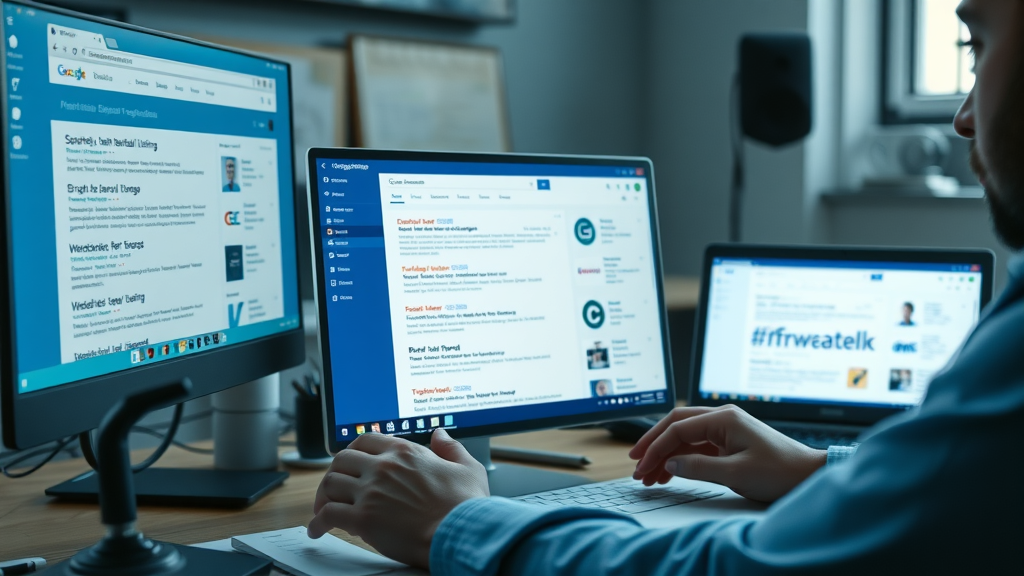
Online reputation management search engine results page highlighting brand reputation as a user reviews digital listings

Your Google search results are often the first page of your brand’s story. Search engines play a pivotal role in shaping, amplifying, or sometimes damaging your reputation. Everything from your official website and press releases to independent online reviews and news stories can appear on page one. An outdated or irrelevant result, or even a single critical article, can cloud your brand image for years.

That’s why online reputation management professionals employ search engine optimization (SEO) to push positive and relevant results to the top. Reputation management is not just about removing negativity, but ensuring your audience finds credible, up-to-date, and trustworthy content quickly.

Managing Your Online Reputation in Search Results

A structured strategy to own your search engine results begins with publishing authoritative, quality content across multiple reputable sources. This includes maintaining an active blog, securing high-authority media placements, and optimizing social media profiles. Immediate action to address negative reviews or misleading headlines can prevent them from dominating search ranks.

Regular reputation audits, link-building strategies, and the creation of rich, shareable material help ensure your key messages stay front and center in search results. When you control the narrative, you offer potential customers a clear portrait of your reliability and value.

Watch: Exploring the Connection Between SEO and Online Reputation Management

Harnessing Social Media for Effective Online Reputation Management

Role of Social Media in Online Reputation

Social media is a double-edged sword for any online reputation management strategy. On the one hand, platforms like Facebook, Twitter, Instagram, and LinkedIn allow brands and professionals to communicate directly with their audience, share successes, and humanize their business. On the other, they can amplify customer complaints or spread negative reviews rapidly if ignored or mishandled.

Engagement on social channels is integral: monitoring feedback, swiftly answering questions, and personally addressing concerns are essential forms of customer service. Each post, comment, or share reflects on your brand, making attentive reputation management more crucial than ever.

Managing Your Online Reputation Across Social Platforms

Online reputation management diverse users interacting on social media platforms, engaging with brand content on smartphones and tablets

Every social media platform offers both risks and rewards for managing your online reputation . Maintaining active and authentic profiles, responding to comments, and participating in industry conversations establishes authority and builds rapport with followers. It's crucial to tailor language, tone, and content for each network, acknowledging the unique culture and expectations of each community.

From LinkedIn endorsements to Instagram story replies, every touchpoint adds to your perceived reputation. Brands that listen well, act swiftly, and show appreciation for both praise and criticism distinguish themselves in crowded social spaces.

Do’s and Don’ts for Social Media Reputation Management

Effective reputation management on social media is about more than fast replies—it's about building trust and showcasing real-world values. Always respond to complaints thoughtfully, avoid generic or automated answers, and never delete legitimate customer feedback. Instead, acknowledge issues, offer solutions, and thank users for their insights.

On the flip side, don’t feed the trolls, don’t get defensive, and never ignore persistent negative sentiment. Instead, have a plan for escalating serious issues to private channels and always uphold your brand’s professionalism.

Top Social Media Platforms for Reputation Management

  • Facebook
  • Twitter (X)
  • Instagram
  • LinkedIn
  • Google Business Profile
  • Yelp
  • Reddit and specialized forums

Proven Techniques for Managing Negative Reviews and Building Positive Reviews

Responding to Negative Reviews: Tactics that Work

Empathetic customer service representative thoughtfully replying to a negative review online

Negative reviews are inevitable, but how you handle them can make or break your online reputation. Responding promptly, politely, and directly to criticism demonstrates integrity and a commitment to improvement. Always thank the reviewer for their feedback, apologize for their experience if warranted, and explain any corrective steps you’re taking.

Never argue publicly or resort to defensive comments. The goal isn't just to appease the unhappy customer; it's to show potential customers that your brand takes criticism seriously and works to make things right. A good response can often flip a dissatisfied reviewer into a loyal supporter, while also reassuring anyone reading your reviews.

Encouraging Positive Reviews from Satisfied Customers

Happy customers rarely post reviews without prompting, even after a great experience. Encourage them by following up with a polite request via email, SMS, or in-person after a positive interaction. Offer simple instructions and links to popular review sites —and always express gratitude for their time.

Incentivize feedback ethically by offering loyalty points or participating in surveys. Share glowing reviews across your website and social media to inspire others. Consistent review management builds a library of positive sentiment that boosts your brand’s authority and counteracts the occasional critical remark.

Handling Negative Review Outbreaks

If your business faces a surge in negative reviews , don't panic. Begin by identifying common issues in the feedback and implement immediate corrective measures where feasible. Respond to each complaint with empathy, offer solutions, and where possible, invite dissatisfied customers to continue the conversation privately.

Escalate unresolved issues to a dedicated support or management team and post public updates about what steps you’re taking to fix widespread problems. Transparency and fast action turn crisis into opportunity, demonstrating that your brand is responsive and invested in customer satisfaction.

Steps to Address and Resolve Customer Complaints

  1. Acknowledge the issue and thank the reviewer for their input
  2. Apologize sincerely for any inconvenience or disappointment
  3. Offer a practical solution or compensation if appropriate
  4. Invite the customer to discuss the matter offline for greater privacy
  5. Document and monitor all feedback to track resolution and spot trends

Comparison: Approaching Negative Reviews vs. Positive Reviews

Aspect Negative Reviews Positive Reviews
Response Time Immediate or within 24 hours Timely but flexible
Tone Empathetic, solution-oriented Grateful, appreciative
Action Address, resolve, follow up Thank and highlight publicly
Impact Builds trust if handled well Boosts brand authority and visibility

Monitoring and Measuring Your Online Reputation: Tools and Metrics

Essential Tools: Google Alerts, Social Listening Platforms, and More

Effective online reputation management starts with smart monitoring. Google Alerts is a free tool that notifies you whenever your brand or personal name appears online. Social listening platforms—such as Hootsuite, Brand24, or Mention—allow you to track conversations and sentiment across a wide range of social channels, forums, and review sites.

Paid solutions like Reputation.com, Birdeye, or Yext offer comprehensive dashboards for monitoring, analysis, and reporting. By staying current with every mention, you’re able to respond to developing issues promptly and measure the true impact of your ORM efforts.

KPIs for Online Reputation Management Success

Online reputation management dashboard displaying sentiment analysis and key performance indicators (KPIs)

Tracking performance is crucial to know if your reputation management initiatives are working. Key Performance Indicators (KPIs) include overall review score, volume of feedback, share of positive versus negative sentiment, brand search volume, earned media coverage, website traffic from branded queries, and response time metrics.

Regular KPI evaluation highlights what’s working and where course correction is needed—helping you optimize engagement, resolve more issues proactively, and demonstrate the ROI of ORM to stakeholders.

Role of Digital PR in Ongoing Reputation Management

Digital PR acts as a reputation amplifier—leveraging relationships with media, industry influencers, and bloggers to secure authoritative mentions, interviews, and editorial coverage. These positive stories not only counteract earlier negativity but improve your search engine visibility and build trust among new audiences.

Coordinated with review management and social listening , digital PR strengthens your online presence for the long term, keeping your brand top-of-mind and well-defended against reputation risks.

Online Reputation Management Costs, Providers, and DIY Approaches

What Influences the Cost of Online Reputation Management?

Online reputation management consultant presenting cost breakdown to a client using a digital pricing chart

Pricing for online reputation management varies depending on factors such as the scope and severity of issues, the size of your business, the number of platforms to monitor, and the sophistication of required tools or services. Higher costs may apply to large companies with global risk exposure, or those facing serious reputation crises needing legal or technical intervention.

Entry-level DIY efforts can start free with basic tools like Google Alerts and in-house review management, while agency interventions and digital PR campaigns naturally command higher fees due to their expertise, resources, and measurable impact.

Comparing Reputation Management Companies and DIY Strategies

Professional ORM firms bring expertise, specialized tools, and relationship networks to the table—often producing faster, more sustainable results. They help craft strategic responses, monitor mentions around the clock, and manage search engine results with surgical precision. However, they come at a premium.

DIY strategies are viable for individuals and small teams with time to devote to daily monitoring, replying to reviews, and executing basic SEO. Many businesses start by handling ORM in-house, then scale up to a provider as needs evolve.

Factors to Consider When Choosing a Reputation Management Service

  • Track record and case studies of proven results
  • Pricing structure and service flexibility
  • Transparency in process and timeline
  • Range of tools offered (monitoring, reporting, PR, content creation)
  • Client support and response speed

Managing Your Online Reputation: Pro Tips and Common Mistakes to Avoid

Top 10 Online Reputation Management Tips

Online reputation management expert holding a checklist tablet, offering pro tips for managing your reputation online
  1. Monitor mentions daily using tools like Google Alerts
  2. Proactively ask happy customers for reviews
  3. Respond to all feedback—positive or negative—politely and promptly
  4. Claim and update all business listings and social profiles
  5. Publish regular blog or news updates to own your narrative
  6. Engage in social listening and join relevant conversations
  7. Implement consistent brand guidelines for tone and messaging
  8. Use SEO and quality content to influence search results
  9. Invest in digital PR for wider positive exposure
  10. Train your team to handle public complaints with empathy and resolve

Preventing Online Reputation Crises

A crisis can hit when you least expect it. Prevent problems by auditing brand mentions regularly, training staff on public communication, preparing response templates, and documenting crisis escalation protocols. Regular engagement with followers and a transparent culture reduce the risk of a PR disaster gaining momentum.

Maintaining strong review management habits and nurturing relationships with satisfied customers provides a buffer, ensuring positive content outweighs any negativity in trending stories or search engine results .

Common Pitfalls in Reputation Management

  • Ignoring complaints or negative sentiment
  • Deleting legitimate customer reviews or feedback
  • Replying defensively or unprofessionally to criticism
  • Neglecting outdated profiles or inconsistent branding
  • Failing to document and learn from feedback trends

Case Study Video: How a Brand Recovered from a Reputation Crisis

FAQs About Online Reputation Management and Reputation Management Strategies

What Is Online Reputation Management?

"Online reputation management refers to monitoring, influencing, and maintaining the perception of an individual or business on the web."

Online reputation management involves tracking online mentions, responding to feedback, publishing positive content , and rectifying any negative sentiment that could harm your personal or company brand. It is a proactive, ongoing effort to shape public perception and secure trust in the digital space.

How Much Does Online Reputation Management Cost?

Costs for ORM services can range from free DIY tools and basic software subscriptions to several thousand dollars per month for agency or enterprise solutions. Variables include the complexity of issues, volume of mentions, and service level needs.

Range of Pricing: Freelancers, Agencies, and Enterprise Solutions

Service Type Estimated Monthly Cost Features
Freelancer / DIY $0 – $500 Basic monitoring, reviews, and simple SEO
Agency $500 – $5,000+ Comprehensive strategy, content, outreach, ongoing analysis
Enterprise Platform $3,000 – $20,000+ 24/7 monitoring, legal support, international coverage, advanced analytics

Does Online Reputation Really Work?

Satisfied business owner reviewing positive online reputation management graphs with their team

Yes—when executed with consistency and expertise, online reputation management drives measurable growth in brand awareness, consumer trust, and sales conversions. Brands that focus on their online presence also demonstrate greater resilience when facing public criticism or crises.

Which Platform Is Best for Reputation Management?

The best ORM platform is the one that meets your unique monitoring and response needs. For most, Google Business Profile, Facebook, and LinkedIn are essential. Tools like Hootsuite or Reputation.com provide broader oversight, while industry-specific review sites may also require special focus.

Best Practices Checklist: Online Reputation Management in 2024

Checklist: Daily, Weekly, and Monthly Tasks for Managing Your Online Reputation

  • Daily: Scan for new reviews/mentions; reply ASAP to inquiries or complaints
  • Weekly: Analyze sentiment; update social content calendars; internal team sync
  • Monthly: Audit brand presence; review trends in KPIs; update key listings/profiles

Summary Table: Online Reputation Management Tools and Platforms

Tool / Platform Purpose Best For
Google Alerts Monitoring mentions Individuals, small businesses
Hootsuite / Brand24 Social listening, analytics Small to midsize brands
Reputation.com / Yext All-in-one review management, analytics, listings Enterprises
Trustpilot / Yelp / TripAdvisor Industry-specific review sites Service businesses, hospitality, retail

Expert Insights: Future Trends in Online Reputation Management

AI’s Impact on Online Reputation Management

AI-powered interface managing online reputation with digital brain and news feeds in a futuristic cityscape

Artificial Intelligence is rapidly reshaping the field of online reputation management . AI tools can analyze huge volumes of data, identify sentiment trends, detect fake reviews, and automate first-level responses for common issues. In the near future, predictive AI could even spot budding crises before they go viral—empowering brands to intervene early and prevent escalation.

For businesses, AI-powered dashboards and sentiment analysis are making proactive reputation management easier, more affordable, and less resource-intensive, leveling the playing field for small businesses in competitive spaces.

Predictions for Reputation Management in the Next Five Years

Expect ORM to become even more essential as digital footprints grow and consumer expectations for transparency increase. The rise of video reviews, decentralized platforms, and deepfake technology will create both challenges and opportunities for brands. Those who invest in adaptive, tech-savvy reputation management will be best positioned to thrive, regardless of what the internet throws their way.

"As digital footprints grow, so does the necessity for precision in reputation management." – Industry Analyst

Action Plan: Elevate Your Online Reputation Management Today

  1. Set up Google Alerts for your brand and key personnel
  2. Claim and optimize all business and personal profiles
  3. Respond to every new review—good or bad—within 24 hours
  4. Develop a crisis response protocol with clear team roles
  5. Request positive reviews from satisfied customers regularly
  6. Create and promote new, engaging content every week
  7. Monitor KPIs monthly and adjust tactics as needed

Resources for Continued Learning on Online Reputation Management

  • HubSpot Academy: Free reputation management courses
  • Google’s own guidelines for business listings and reviews
  • Moz Beginner’s Guide to SEO
  • LinkedIn Learning: Public relations and crisis management tracks

People Also Ask: Your Online Reputation Management Questions

What is online reputation management?

Online reputation management is the process of monitoring, improving, and maintaining the public perception of an individual or business on digital platforms such as search engines, review sites, and social media. It involves tracking mentions, responding to reviews, publishing positive content, and correcting inaccuracies.

How much does online reputation management cost?

Costs vary widely based on size and needs—from free for simple DIY monitoring and response, to several thousand dollars a month for comprehensive agency or enterprise solutions that include advanced analytics, content creation, review removal, and crisis support.

Does online reputation really work?

When managed strategically, online reputation efforts help maintain brand trust, draw in potential customers, and reduce the impact of negative mentions. Consistent monitoring and response demonstrate that you value feedback and strive for excellence.

Which platform is best for reputation management?

The best platforms combine broad reach and robust monitoring tools—such as Google Business Profile, LinkedIn, and leading review forums—with dedicated platforms like Reputation.com or social listening suites that fit your industry and customer communication habits.

Key Insights and Takeaways for Successful Online Reputation Management

  • Do monitor your online presence daily and respond to feedback proactively
  • Do encourage and promote authentic positive reviews
  • Don’t delete or hide criticism—instead, address it transparently
  • Don’t use automated, impersonal responses or ignore social channels
  • Do update your content and listings regularly for best search engine impact
  • Don’t underestimate the power of a single review or comment

Final Thoughts: Why Proactive Reputation Management Matters

Investing in proactive online reputation management sets you apart, builds trust, and secures your digital future—ensuring you remain in control as the online world rapidly evolves.

To further enhance your understanding of online reputation management, consider exploring the following resources:

  • “Reputation Management: How to Protect Your Brand Online” ( blog.hubspot.com )

This comprehensive guide delves into various strategies and tools essential for safeguarding your brand’s online presence. It covers topics such as monitoring reviews, managing social media engagement, and utilizing reputation management software to maintain a positive digital image.

  • “Online Reputation Management: Top Strategies for 2024” ( cision.com )

This article provides up-to-date strategies for effectively managing your online reputation. It emphasizes the importance of monitoring social media mentions, measuring brand sentiment, and engaging proactively with your audience to build and maintain trust.

By exploring these resources, you’ll gain valuable insights and practical techniques to effectively manage and enhance your online reputation.


Reputation

41 Views

0 Comments

Write A Comment

*
*
Please complete the captcha to submit your comment.
Related Posts All Posts
08.03.2025

Boost Sales Fast: Getting Customer Feedback and Google Reviews Tips

Did you know that nearly 88% of consumers trust online reviews as much as personal recommendations ? That’s right—whether you run a cozy coffee shop or an established HVAC business, how you handle getting customer feedback and Google reviews for local brick & mortar and service-based businesses can make or break your sales. In this comprehensive guide, you’ll discover exactly how powerful genuine feedback can boost your business profile, improve Google Business Profile rankings, and supercharge your local business growth—fast. Stick with us to uncover real-world tactics, pitfalls to avoid, and insider tips that you can implement today to start seeing results. Ready to unlock the full sales potential of your customer reviews? Let’s dive in. Unlocking Growth: Why Getting Customer Feedback and Google Reviews Is Essential for Local Businesses "Nearly 88% of consumers trust online reviews as much as personal recommendations—demonstrating the power of getting customer feedback and Google reviews in influencing buying decisions." Discover how your business profile and google review presence can lead to increased sales, stronger online visibility, and higher local business trust. For any local business, whether you serve customers face to face or in service areas, a strong online reputation is critical for success. In an age where your business address is often judged by its digital footprint, customer feedback and Google reviews act as social proof, giving potential customers confidence in your products and services before they ever set foot in your store or book an appointment. A steady flow of positive reviews does more than boost your star rating—it directly influences local search results and increases the likelihood that a new customer will choose you over a competitor. When customers leave authentic feedback, they’re not just sharing their experience—they’re shaping your online reputation in a tangible way. Online reviews also reveal what’s working (or not) in your customer service, acting as a free assessment for your team. The more feedback and Google reviews you gather, the richer your insights into customer needs, enabling continuous improvement across your product or service offerings. By placing feedback at the center of your local business review strategy, you can stand out in crowded service areas and become the business of choice in your community. What You'll Gain from Improving Your Google Business Profile Feedback Strategy Understand how to collect and utilize customer feedback for your google business profile. Learn actionable steps to increase your google reviews and overall local business reputation. Find out how to optimize your service area presence and online reviews. Identify strategies to encourage customers to leave valuable google review feedback. Optimizing your feedback strategy doesn’t just improve your star rating; it directly elevates your business profile, impacting both how search engines and real customers perceive you. With each positive review, your google business profile becomes more appealing in local search results, while critical feedback provides invaluable direction for business improvement. By mastering how to collect and utilize customer feedback , you lay a foundation for continuous growth and loyal customer relationships. Through this strategic approach, you’ll also foster a vibrant customer base, expand your service area reach, and minimize the risk of negative surprises. Training your staff to request feedback and respond openly will turn every interaction into an opportunity. Expect to see increased service area engagement, more repeat customers, and a steady stream of glowing reviews that set your business apart in any area business directory. How Getting Customer Feedback and Google Reviews Impacts Your Google Business and Service Area Rankings The Link Between Google Reviews and Google Business Profile Visibility There’s a clear connection between google reviews and your google business profile ’s visibility in local search results. Businesses with a healthy volume of current, high-quality online reviews consistently outrank those with a sparse or outdated review history. Google’s local search algorithm rewards feedback by factoring both the quantity and recency of customer reviews into your local business ranking—meaning every authentic review strengthens your presence. A robust review portfolio can help your business profile appear in the coveted “local pack,” that three-business section at the top of area search results, amplifying your exposure. More reviews signal both activity and credibility to Google, distinguishing you from competitors whose reputation is less developed. In short, focusing on getting customer feedback and Google reviews for local brick & mortar and service-based businesses leads to better rankings, more clicks, and ultimately, more foot traffic or service area calls. How Customer Feedback Enhances Local Business Ranking in Your Area Business Listings "The quantity, quality, and frequency of your online reviews can directly impact rank for local search and area businesses." Customer feedback does more than build trust—it actively shapes your business profile within area business listings and directories. Review volume and consistency are critical components Google uses to position your service business in results for your targeted service areas and business location. If your profile stays current with regular feedback and responses, it signals that your business is engaged and reliable. Moreover, detailed feedback provides rich, keyword-driven content—naturally boosting your online presence and making your business easier for search engines to understand and promote. For businesses hoping to develop a bigger footprint in their community, encouraging a steady stream of reviews makes your service area or local business more discoverable and trusted in online directories—unlocking greater growth potential. Optimizing Your Google Business Profile for More Customer Feedback and Google Reviews Setting Up and Verifying Your Google Business Profile for Local Businesses The first step in unlocking the power of customer feedback is a fully optimized and verified google business profile . Claiming and verifying your GBP listing enables you to manage how your business appears in local search, update your business address or service area, and respond directly to reviews. Verification typically requires a simple postcard, phone, or email process, but it’s a crucial security measure to ensure only real business owners control the profile. Once verified, take time to fully complete your business profile. Upload professional photos, set accurate hours, and provide detailed descriptions of your products and services. Remember, businesses with complete and up-to-date profiles attract more customers and receive more reviews—making this a powerful first move for both brick & mortar locations and service-based businesses operating in multiple service areas. Ensuring Your Service Area Information Is Accurate If your business serves customers across multiple service areas or doesn’t have a traditional storefront, accurate service area details are essential. Clearly list every location you serve and ensure your business address, contact information, and service descriptions are current. This not only helps customers find you more easily but also ensures that your business appears in relevant local search results. Errors or omissions in your Google Business Profile service area settings can cause your business to be overlooked by potential customers looking for your products and services nearby. Review these details regularly to keep your online presence—and local business review opportunities—maximized. Making Your Google Business Page Inviting for Customer Feedback Customers are more likely to leave feedback on an inviting and engaging Google Business Page. Use high-quality photos, update business hours often, and enable messaging if possible. Posting updates about new products, service changes, or community involvement keeps your profile active and shows customers that you value their engagement. Promptly respond to reviews (both positive and negative), which demonstrates your commitment to customer service and builds further trust. An active profile not only drives more reviews but also encourages higher involvement from your loyal customer base—advancing both your service area and local business visibility. Effective Strategies for Getting Customer Feedback and Google Reviews for Local Brick & Mortar and Service-Based Businesses How and When to Ask Customers to Leave Google Reviews In-person requests at point-of-sale or service completion Follow-up email or SMS with review request link Incentivizing honest feedback (without paying for reviews) Staff training in customer service and review request etiquette. Timing and approach make all the difference when asking for reviews. A well-timed, friendly request right after an excellent service or sale greatly increases the odds that customers will leave valuable feedback. Teach your team to confidently ask for a Google review at the register, after a satisfying meal, or upon job completion—whenever the customer is most satisfied and likely to share a positive experience. Follow up after the purchase or service with a personalized email or text message, including a direct link to your Google Business Profile. This makes the review process convenient and quick—reducing the friction for even busy customers. Remember, the key to getting more reviews lies in consistency across your staff and customer service touchpoints. By embedding review requests into your customer interactions, you’ll see a natural increase in both the quantity and quality of online reviews. Leveraging Social Media and Your Website to Encourage Google Reviews Social media and your website are powerful tools for amplifying your call to action for reviews. Including a “Leave Us a Google Review!” link on your homepage, product pages, and thank-you messages can dramatically increase review volume. Regularly remind followers on Facebook or Instagram how much their feedback means—not just for your business, but for helping other potential customer connections find you. Share screenshots of glowing reviews, celebrate reaching new star rating milestones, and thank individual reviewers publicly (with permission). This transparency inspires more customers to leave their own positive message, further fueling your online reputation and strengthening community ties in your service areas. Using QR Codes and Short Links for Easy Access to Your Business Profile Remove barriers for customers to leave a review by integrating QR codes and short links into high-visibility locations—on your checkout counter, printed receipts, invoices, and signage. With QR codes, customers can instantly access your business profile on their smartphones while their positive experience is still fresh. This hassle-free access ensures that even those less familiar with Google reviews can still participate, widening your net for authentic feedback and enhancing your business profile across your service areas. Regularly refresh your QR codes and links to reflect any updates to your Google Business Profile, especially if you expand into new area business markets or add locations. Best Practices for Responding to Customer Feedback and Managing Google Reviews Responding to Both Positive and Negative Google Reviews Thoughtful responses to both positive and negative reviews are essential for showcasing your commitment to excellent customer service. Acknowledge every review with gratitude—even if it’s just a quick “thank you”—and personalize your message to show the reviewer that their experience matters. For negative reviews, always reply with empathy and a solution-oriented mindset. Publicly inviting unhappy customers to contact you directly can turn an unhappy encounter into a repeat visit. Managing your online reviews transparently not only addresses individual concerns but also demonstrates to all potential customers that your local business values feedback and strives for excellence. Responding promptly and professionally fortifies customer trust and may even boost your google business profile ranking as Google sees engagement as a positive ranking signal. Turning Customer Feedback into Service Enhancements Each review is a roadmap for improvement. Analyze feedback trends—both positive and negative—to identify strengths and address recurring pain points in your products and services. By making visible changes based on reviews (and letting customers know you’re listening), you reinforce the value of customer feedback and inspire even more to share their opinions. This continuous improvement cycle fosters a loyal customer base and helps position your local business or service area as a standout in quality and service—directly influencing growth and future sales. Monitoring, Tracking, and Reporting for Customer Feedback and Online Reviews Tools and Services for Monitoring Google Reviews and Customer Feedback Comparison of Review Management Tools for Local and Service Businesses Tool Name Key Features Suitable For Price Whitespark Review monitoring, citation tracking, reporting Small, multi-location, service business Starts at $25/mo Birdeye Automated review requests, response management, analytics Local business, franchises, service areas From $299/mo Google My Business App Free direct review management, real-time notifications All business types Free Reputation.com Multi-platform monitoring, enterprise solutions, social integration Service business, enterprises Custom pricing Regularly tracking your reviews on Google and other platforms is key to maintaining a healthy online reputation. Using automated tools streamlines the process and ensures you never miss vital feedback. These solutions can also provide actionable insights—like common keywords, sentiment, and performance across different service areas—helping inform smarter decisions for your business profile. With effective tracking, your team can spot trends, react quickly to negative reviews, and celebrate exceptional customer service—ensuring that every piece of feedback leads to actionable improvements and stronger search results in your target business location. Measuring ROI from Getting Customer Feedback and Google Reviews The return on investment for prioritizing online reviews can be measured in several ways: increased sales, higher star rating, better customer retention, and improved placement in local search results. By tracking metrics such as review quantity, sentiment, traffic to your Google Business Profile, and conversion rates, you can directly connect your feedback efforts to tangible growth. Over time, strong ratings and a steady flow of customer feedback directly enhance your customer base and local business trust. Businesses that consistently monitor these metrics create a positive cycle—higher visibility brings in more customers, which in turn leads to more reviews and even better rankings in both service area and area business listings. Common Pitfalls to Avoid in Getting Customer Feedback and Google Reviews for Local Businesses Violating Google Policies on Customer Reviews It’s tempting to take shortcuts, but Google’s strict policies on review solicitation must be respected. Avoid offering incentives, discounts, or any form of payment for reviews—violating these rules can lead to reviews being removed, your business profile being suspended, and permanent loss of credibility. Always encourage genuine, voluntary feedback and focus on delivering top-tier customer service as your best review-generation strategy. Overlooking Negative Feedback in Your Google Business Profile Never offer payment for reviews Don't ignore or delete negative reviews Always use transparent and ethical review solicitation methods Ignoring or deleting negative reviews damages your credibility far more than the review itself. Instead, treat negative feedback as an opportunity to learn and improve. Respond to every negative review with empathy, a willingness to address the issue, and a public show of customer service commitment. This honest, transparent approach not only preserves but can also elevate your online reputation, showing potential customers that you stand by your business and value every customer’s experience. Step-by-step visual walkthrough on collecting and optimizing Google reviews, featuring real-world customer interaction examples, on-screen action pointers, and best practice tips. Case Study: Transforming a Local Service Business with Customer Feedback and Google Reviews "After implementing review request strategies, our service area business saw a 30% increase in new customers from online search." Challenge: Low review volume and poor visibility Solution: Automated follow-ups & training staff to ask for reviews Results: Boost in star rating, more service area customers, and improved google business profile ranking This case study illustrates the power of a well-executed feedback strategy. By leveraging review request automation and empowering staff to openly ask every satisfied customer for a Google review, one local service business outperformed competitors in a crowded area business market. The outcome? A dramatic increase in both customer base size and local search visibility—ultimately driving more sales from previously untapped service areas. It’s proof that getting customer feedback and Google reviews for local brick & mortar and service-based businesses can be a game-changer in today’s market. Lists of Proven Tips for Generating More Customer Feedback and Google Reviews for Local Business Train all staff to request reviews at critical touchpoints Personalize follow-up requests based on customer experience Add a review request link to your email signature and invoices Prominently display QR codes linking to your google business profile Respond to every review, showing appreciation for feedback Consistency is the cornerstone of any successful review generation campaign. Equip your entire team—not just front-line staff—with best practices for confidently requesting feedback. Integrate review requests into every aspect of your customer journey, from the first greeting to the final invoice. Remember, the easier you make it for customers to leave feedback, the more likely they’ll help you build an unbeatable online reputation. How Getting Customer Feedback and Google Reviews Builds Trust and Loyalty in Service Areas The Impact of Positive Local Business Reviews on Community Perception Positive online reviews create a ripple effect in your community. When residents see that a local business consistently receives glowing review feedback, they equate it with reliability, quality, and trustworthiness. This reputation not only encourages new customers to try your services but also solidifies your existing customer base—turning casual shoppers into loyal advocates. Over time, the steady accumulation of positive reviews positions your business as a pillar in the local area—supporting word-of-mouth referrals and drawing in new area business from both online search and community recommendations. In essence, reviews are a form of community validation, reinforcing your business’s standing across all your service areas. Leveraging Customer Testimonials for Service Area Marketing Customer testimonials, drawn from authentic online reviews, are marketing gold. Featuring these stories on your website, social media, and print materials deepens the emotional pull for potential customers in your target service areas. Always secure permission to share testimonials and consider including a headshot or “thank you” follow-up to personalize the story. This approach builds both trust and relatability, setting your business apart from larger, impersonal chains in the eyes of the community. The end result? More inbound leads from your service area and deeper loyalty from existing customers who feel seen and valued. Answers to Popular Questions about Getting Customer Feedback and Google Reviews What is the best way to get Google reviews from customers? The best method is to ask directly and make it easy—whether in person at the point of service, via follow-up emails or text messages with a direct review link, or by providing a QR code at your business location. Consistency and timing are key, and always ensure your request is framed as a way to improve service for both the reviewer and the community. Where do I find Google reviews for a business? You can view a business’s Google reviews by searching for the business name in Google Search or on Google Maps, then clicking on the reviews section attached to their Google Business Profile. This area displays all public reviews left by customers, including ratings and detailed feedback. How to set up Google reviews for a small business? Start by claiming and verifying your Google Business Profile at the Google Business website. Once your profile is fully set up and verified, customers can leave reviews through your business listing. Share your direct review link to encourage more customers to contribute feedback and grow your online reputation. Can you pay people to review your business? No, Google’s guidelines prohibit paying for reviews or offering incentives in exchange for positive feedback. Violating these policies can result in your reviews being removed or your profile being suspended. Always pursue honest, organic reviews for lasting credibility and trust. Frequently Asked Questions Is it enough to have a Google Business Profile without reviews? No—while having a profile is essential, reviews add trust and improve your chance of appearing in local searches. How often should I ask for reviews from my service area customers? Regularly ask after every positive customer service interaction, making it a natural part of your business routine. Can negative feedback on Google help my business? Absolutely—negative reviews highlight improvement opportunities and, if handled well, can actually build trust with potential customers. What tools are best for tracking online reviews and customer feedback? Dedicated tools like Whitespark, Birdeye, and the Google My Business App provide comprehensive review tracking and reporting features. Key Insights on Getting Customer Feedback and Google Reviews for Local Brick & Mortar and Service-Based Businesses Getting customer feedback and Google reviews is vital for local business trust, better area business rankings, and acquiring new service area customers. Consistency, authenticity, and responsiveness set top-performing local businesses apart. Use technology and staff training to streamline review requests and management processes. Ready to Start Getting Customer Feedback and Google Reviews for Your Business? Ready to turn customer feedback into growth? Get a Free Reputation Audit and start building a stronger reputation that brings in more local business. Don’t wait—your next glowing review could be the one that sets you apart in your service area! To enhance your understanding of gathering customer feedback and Google reviews for local brick-and-mortar and service-based businesses, consider exploring the following resources: “8 Techniques To Get More Customer Reviews For Your Local Business” : This article outlines practical methods such as collecting email addresses during billing and using in-store signage to encourage reviews. ( searchenginejournal.com ) “11 Tips to Get More Google Reviews for Your Local Business [Start Today!]” : This guide offers actionable strategies, including making it easy for customers to leave reviews and utilizing QR codes in your store or office. ( ricketyroo.com ) By implementing the strategies discussed in these resources, you can effectively boost your online presence and attract more customers to your business.

06.17.2025

Boost brand trust with These Simple Steps Today

Did you know that 60% of consumers lose trust in brands after a poor customer experience —more than any other factor? In today’s digital-first marketplace, brand trust isn’t just a buzzword—it’s the foundation of customer loyalty and sustained business success. Whether you’re a startup or an established brand, the strategies in this guide will show you exactly how to build trust, keep your brand top-of-mind, and turn customers into passionate advocates. Why Brand Trust Matters in the Digital Age: Surprising Facts and Its Core Role in Building Brand In a rapidly evolving digital era, brand trust has become the currency by which companies earn loyalty, referrals, and brand equity. Consumers face a daily barrage of choices online, so building brand trust is no longer optional—it’s essential for standing out and succeeding. When customers trust a brand, they are more likely to recommend it, make repeat purchases, and overlook small slip-ups, contributing directly to business growth and resilience. These unexpected advantages demonstrate why trusted brands like Apple and Zappos continue to lead markets. Surprising research shows that customers trust is tied more to experience than advertising. Transparent business practices, customer-centric policies, and clear communication all contribute to how consumers perceive and trust a brand. In fact, trusted brands command premium pricing and attract higher-quality product reviews, supporting overall brand equity and setting the stage for exponential growth. Proven strategies to build trust and strengthen brand equity Actionable steps for building brand trust via social media and customer experience How to leverage social proof and brand values to earn customer loyalty The most effective ways to measure brand trust including net promoter score Real-world examples every marketer should know "60% of consumers lose trust in brands after poor customer experience – more than any other factor." – Edelman Trust Barometer Understanding Brand Trust: Definition, Importance, and Real-World Marketing Examples What is Brand Trust? Key Concepts and Foundations for Building Brand Trust Brand trust refers to the confidence consumers have in a brand’s reliability, honesty, and ability to deliver on its promises . It’s the feeling of assurance that a product or service will consistently meet expectations—whether that’s through product quality, ethical business practices, or responsive customer service. Building trust relies on every interaction, both digital and in-person, consistently aligning with the brand’s core values and promises. Consumers judge whether they can trust a brand by evaluating transparency, consistency, and the overall customer experience. When a brand delivers on its commitments and engages openly, it fosters brand affinity and encourages repeat purchases, which are essential for long-term success. Brand trust isn’t built overnight ; it requires ongoing effort, honest communication, and a genuine commitment to customer satisfaction. For modern consumers, trusted brands are those that put people first while upholding their brand values and ethics. What is Another Word for Brand Trust? Synonyms and Market Usage Although “brand trust” is commonly used, there are several synonyms and related terms that capture its essence in the world of marketing and consumer psychology. Terms like brand credibility, brand reliability , and customer confidence all highlight aspects of trusting a brand. In business contexts, you may also encounter phrases such as “trusted brand,” “brand loyalty,” or “brand affinity,” each emphasizing slightly different nuances of how customers trust and interact with a company. For example, “ Brand credibility ” focuses on whether a company can be believed and relied upon, while “customer confidence” reflects how secure customers feel about spending their money with your brand. In practical usage, these terms are often interchanged when discussing building brand trust strategies and measuring brand trust for marketing campaigns. Brand Trust in Action: Notable Examples from Leading Companies True leaders in brand trust demonstrate reliability and earned loyalty at every turn. Consider Apple—a company renowned for delivering on its promises, maintaining consistent quality, and cultivating a devoted following. Their commitment to exemplary customer experience and privacy empowers consumers to trust the brand, leading to outstanding brand loyalty and repeat purchases. Similarly, Patagonia’s transparent business practices and outspoken brand values inspire customer confidence and foster trust, making them a role model for environmental conscious consumers. Another shining example is Zappos, where customer experience is king. Zappos has built its reputation by prioritizing service, offering fast resolutions, and championing customer-centric business practices. Each of these brands proves that consistently delivering on promises and aligning with customer expectations are the foundations of building brand trust in the modern economy. Proven Steps for Building Brand Trust: From Core Values to Social Media Strategy Step 1: Define and Communicate Brand Values That Customers Trust The first critical step in building brand trust is clarifying your brand values and communicating them authentically to your audience. Your brand values act as guiding principles—shaping your business practices, messaging, and marketing strategy. When you openly share what your company stands for, you signal to consumers that your brand is reliable, ethical, and genuinely committed to its mission. Articulate these values everywhere—on your website, through campaigns, and especially via social media channels. Showing how brand values inform your decision-making helps customers understand, trust, and connect emotionally with your brand. When customers resonate with what your brand represents, they’re much more likely to stick with you, recommend your products or services, and defend your reputation if challenges arise. Step 2: Build Brand Trust By Delivering Consistent Customer Experience Trust is fundamentally built on consistency . That means every interaction, from browsing your website to contacting your customer service team, should reinforce the same high standards. Consistent customer experience assures audiences that your brand will deliver on its promises every time, whether it’s the speed of delivery, the quality product they receive, or the way you solve a complaint. Empower your team with clear guidelines and training to uphold your brand values across all touchpoints. Streamline processes for feedback and follow-up so every customer feels heard—even when things go wrong. Brands that are responsive and attentive set themselves apart, strengthening brand trust and improving metrics like net promoter score and brand loyalty in the process. Step 3: Use Social Media to Build Brand Equity and Trust a Brand Social media platforms are powerful stages for building trust and strengthening brand equity. Through authentic content, active engagement, and transparent communication, brands can form meaningful relationships with consumers in real time. Social media’s immediacy means customers expect not only to see polished marketing campaigns but also genuine human interaction and accountability. Respond quickly and respectfully to comments, questions, or negative feedback, and use platforms like Instagram, Facebook, and TikTok to showcase your brand values, community involvement, and customer success stories. Influencers and user-generated content boost credibility and offer additional social proof —key elements in reinforcing trust. Remember, customers trust brands that are approachable, transparent, and open to dialogue on social media. Step 4: Strengthen Social Proof: Reviews, Testimonials, and Brand Trust Signals No brand can build trust alone—what customers say about you is just as important as what you say about yourself. Social proof such as online reviews, testimonials, and influencer endorsements reassure new customers that your products, services, and promises have already proven reliable. Encourage satisfied customers to share their experiences on popular platforms and on your website. Highlight positive reviews, case studies, and ratings in marketing materials and across digital touchpoints. Visible social proof provides immediate reassurance, pushing undecided prospects toward a purchase. It’s also essential to address concerns transparently—acknowledging mistakes and illustrating how you resolve issues builds trust even when things go wrong. Respond promptly to all customer concerns Display transparent social proof 🡪 reviews and testimonials Share compelling customer experiences on social channels Publicize core brand values consistently Leverage influencers to boost net promoter score and overall trust How to Measure Brand Trust: Key Metrics and Data-Driven Insights Net Promoter Score: Using NPS to Measure Brand Trust and Loyalty The Net Promoter Score (NPS) is one of the world’s leading tools to gauge brand trust and overall loyalty. By asking customers, “How likely are you to recommend our brand to a friend or colleague?” you get an immediate sense of how your audience perceives and trusts your brand. Calculating the NPS involves classifying respondents as Promoters, Passives, or Detractors, then subtracting the percentage of Detractors from Promoters. NPS offers actionable insights into customer satisfaction and loyalty and can be monitored over time to track the effectiveness of brand trust-building efforts. This metric is especially valuable because it distills sentiment into a simple, easy-to-interpret score, which you can benchmark against industry peers or internal goals to drive continuous improvement. Other Methods to Measure Brand Trust: Customer Satisfaction, Brand Equity, and Ongoing Surveys While NPS is popular, measuring brand trust effectively requires a combination of metrics. Regular customer satisfaction surveys ask about recent experiences, capturing feedback that can pinpoint opportunities for improvement. Brand equity surveys dive deeper, evaluating perceptions about your brand’s reputation, ethical standards, and overall health in the marketplace. Surveys can be supplemented by monitoring online reviews, sentiment analysis, and tracking social proof or media mentions. Together, these methods provide a more holistic view of how trustworthy your brand is in the eyes of customers, and they help identify gaps in service, messaging, or product quality that could erode trust over time. Comparison of Brand Trust Measurement Techniques Measurement Method Pros Cons Best Use Case Net Promoter Score (NPS) Easy to implement, standardized Lacks depth, simple metric Tracking trust over time Customer Satisfaction Immediate feedback, quantitative May not measure true trust Improving customer experience Brand Equity Surveys Comprehensive brand perception More costly, periodic Overall brand health Building Brand Trust Through Customer Experience: Real Case Studies Delivering Exceptional Customer Experience to Build Brand Trust The customer journey—from discovering your brand to making a purchase and follow-up support—profoundly impacts brand trust . Delivering exceptional customer experience means ensuring that every touchpoint is pleasant, reliable, and aligned with your brand values. Customers want to be heard and valued; surprise touchpoints, like follow-up messages or unexpected discounts, foster delight and long-term loyalty. Brands that prioritize proactive communication and seamless service stand out in crowded markets. Even if mistakes occur, how you handle them can determine whether a customer becomes a critic or a loyal advocate. Transparent, authentic, and responsive interactions are essential in building trust and maintaining your reputation as a trusted brand. Case Study: How Zappos Used Customer Experience to Build Trust a Brand Few companies exemplify building brand trust through exceptional customer service like Zappos. The online retailer made headlines by empowering customer service reps with the authority to delight customers—sometimes even at a loss to the company. This dedication to service, demonstrated by 24/7 support and unexpected acts of kindness, earned Zappos a place among the most trusted brands in retail. By making customer experience central to their brand values and business practices, Zappos encouraged repeat purchases and generated enthusiastic word-of-mouth —all critical drivers for building brand trust. Their willingness to go the extra mile, from handling returns with ease to solving complaints with empathy, turned customers into lifelong advocates and propelled their brand equity far ahead of competitors. "A brand is no longer what we tell the consumer it is—it is what consumers tell each other it is." – Scott Cook, Intuit Co-founder Social Media and Brand Trust: Amplifying Customer Experience and Building Brand Equity Transparency, Authenticity, and Direct Engagement on Social Media In modern marketing, social media is a frontline channel for building brand trust . Audiences expect brands to engage transparently and authentically , sharing both wins and losses. When brands show their human side—responding quickly, apologizing for mistakes, and celebrating customer milestones—they foster trust and build brand equity. Direct engagement on social platforms helps brands gauge customer sentiment, correct issues in real time, and showcase company culture. Whether through live Q&As, influencer takeovers, or behind-the-scenes glimpses, these opportunities offer authentic, positive experiences that turn followers into fans and skeptics into supporters. How Shareable Social Proof Impacts Brand Trust and Net Promoter Score When satisfied customers share their experiences online through social proof —such as reviews, testimonials, “unboxing” videos, or endorsements from micro-influencers—it creates a ripple effect. Prospects are far more likely to trust a brand endorsed by peers than by paid advertising alone. Positive user-generated content boosts your net promoter score by expanding reach, reinforcing credibility, and validating your brand claims with real-world evidence. Brands harnessing this type of shareable social proof are perceived as transparent and trustworthy, leading to increased customer confidence, higher conversion rates, and ultimately, sustainable brand loyalty. Respond to and amplify user-generated content regularly to keep your community engaged and eager to spread the word. Instagram LinkedIn Facebook TikTok Twitter/X Brand Values and Social Proof: Foundations of Trust for Modern Brands Aligning Brand Values to Customer Expectations: Building Brand Trust for the Long-Term Today’s consumers expect brands to stand for something beyond profit. Aligning core brand values with customer expectations is the cornerstone of building brand trust for the long-term. This means listening actively to customer preferences and societal trends and integrating those into your marketing strategy and business operations. Brands that clearly communicate purpose—whether that’s sustainability, diversity, or innovation—gain credibility and foster loyalty among value-aligned customers. Companies like Ben & Jerry's and TOMS Shoes are trusted not just for their products but for their commitment to social causes, showing how brand values can powerfully differentiate and anchor trust. Integrating Social Proof Into Marketing and Customer Experience Incorporating social proof into every aspect of your marketing and customer experience maximizes trust. Feature customer testimonials in ad campaigns, showcase reviews on product pages, and collaborate with influencers who wholeheartedly support your brand values. These actions turn third-party validation into a central pillar of your brand trust strategy . Making social proof visible and accessible—especially during the consideration and purchase phases—empowers customers to choose confidently, strengthens your brand’s reputation, and supports ongoing growth and market relevance. "If people like you, they'll listen to you, but if they trust you, they'll do business with you." – Zig Ziglar People Also Ask: Brand Trust Answers for Marketers What is a brand trust? Brand trust refers to the confidence consumers have in a brand's reliability, honesty, and ability to deliver on promises. High brand trust results in customer loyalty and repeat business. What is another word for brand trust? Other terms for brand trust include brand credibility, brand reliability, and customer confidence. What is an example of brand trust in marketing? A well-known example of brand trust is Apple, whose customers remain loyal due to consistently positive customer experience and transparent communication. How do you calculate brand trust? Brand trust can be calculated using surveys, customer satisfaction scores, and Net Promoter Score (NPS), supplemented by sentiment analysis and reviews. Expert FAQs on Brand Trust, Net Promoter Score, and Building Brand Loyalty How often should you measure brand trust to track progress? Measuring brand trust should be done quarterly or after major campaigns to track progress, adapt strategies, and respond to changing customer sentiment effectively. What is the impact of negative reviews on overall brand trust? Negative reviews can damage brand trust but also offer an opportunity to demonstrate transparency and proactive problem-solving, which can ultimately improve trust if managed well. Can brand trust be rebuilt after a crisis, and if so, how? Yes, brand trust can be rebuilt after a crisis by apologizing sincerely, rectifying mistakes, communicating transparently, and consistently demonstrating improvement over time. Essential Takeaways for Maximizing Brand Trust in Every Engagement Summarizing the Critical Steps to Build Brand Trust Today • Prioritize customer experience for every interaction • Align social media presence with core brand values • Continuously collect feedback—measure brand trust consistently • Highlight genuine social proof and positive testimonials • Foster transparency and open communication • Utilize net promoter score as a benchmark for ongoing trust Ready to build a trustworthy brand your customers love? Start applying these strategies today! Building brand trust is essential for fostering customer loyalty and driving business success. To deepen your understanding and implement effective strategies, consider exploring the following resources: “Building Brand Trust: Four Strategies For Establishing Credibility” ( forbes.com ) This article outlines key approaches to enhance brand credibility, including leveraging social proof, engaging in transparent communication, embracing influencer marketing, and utilizing content marketing. “Brand Trust: What It Is and Why It’s Important” ( qualtrics.com ) This resource delves into the definition of brand trust, its significance in consumer decision-making, and factors that influence it, such as product quality, customer service, and ethical behavior. By integrating the insights from these articles, you can develop a comprehensive strategy to build and maintain trust with your audience, ensuring long-term success for your brand.

06.17.2025

Struggling with reputation repair? Quick Fixes Inside

Did you know that nearly 90% of consumers check online reviews before making a purchase ? In today's digital age, one negative search result can impact business success or personal opportunities overnight. Whether you're a professional or a business owner, learning how to repair your reputation quickly and effectively is critical. This comprehensive guide will walk you through the latest reputation repair strategies, fast-action techniques, and the best solutions for protecting your online reputation. Ready to take control? Let’s dive in and make your search results work for you, not against you! Alarming Trends in Reputation Repair: Why Fast Action in Reputation Management Matters Today Online reputation isn’t just about pride—it’s about revenue, opportunity, and trust. In fact, recent research shows that negative reviews or news articles visible at the top of search results can reduce business earnings by up to 22%. While a single negative review may not seem catastrophic, the accumulation of just a handful at the top of search results can drastically erode consumer confidence and brand reputation. Unfortunately, digital platforms don’t wait; every delay in addressing negative content can lead to lasting damage. When left unmanaged, harmful posts, inaccurate search results, or social media crises can dominate your personal or business online image . Proactive, rapid action is now an essential part of effective reputation management . Repairing your reputation must start the moment you see warning signs—because in the echo chamber of the internet, one story can multiply and live forever. "Nearly 90% of consumers read online reviews before making a purchase decision—your reputation is your most valuable asset." Understanding Reputation Repair: What You’ll Gain from Mastering Online Reputation and Search Results Learn proven reputation management techniques Discover quick fixes for negative content Enhance your online presence Remove negative search results efficiently Understand how online reputation management service providers work What is Reputation Repair? Core Concepts Explained Comparison of Key Terms: Reputation Repair vs. Reputation Management vs. Online Reputation Aspect Reputation Repair Reputation Management Online Reputation Focus Fixing damage Ongoing control Digital-first presence Key Actions Remove negative content Monitor, promote, suppress SEO, review management, social media Typical Users Individuals, brands Businesses of all sizes Any online entity Reputation repair centers on identifying and fixing issues that harm your personal or business standing online. This is different from proactive reputation management or general online reputation work, which involves continuous monitoring and improvement. If you’re dealing with negative search results —maybe a damaging news article, out-of-date review, or viral social media post—then reputation repair targets these directly, aiming to remove negative content and improve your search engine presence quickly. While reputation management services provide ongoing support and optimization, reputation repair is often the starting point when a crisis hits. Both are integral parts of a strong online presence . Just as you wouldn’t build a house on a crumbling foundation, your digital reputation needs a solid repair before ongoing management strategies can drive real results. Why Reputation Repair is Crucial in Today’s Search Results The Impact of Negative Content and Search Result Placement on Brand Reputation Negative content has an outsized influence on what people believe about your brand. When unfavorable reviews, misleading online content, or outdated results appear prominently in search results , they can overshadow years of positive work. Research finds that users judge your “trustworthiness” within seconds—often before clicking to learn more. If the first page of major search engines shows a negative review, damaging news article, or social media controversy, it erodes consumer trust and can even scare away potential clients or employers. Furthermore, search result placement matters deeply. Most users rarely scroll beyond the first page of search engine results, so content visible there essentially defines your reputation. In the case of personal reputation or emerging brands, even a single bad link can have devastating effects. That’s why fast, effective reputation repair solutions need to address not just what’s online, but where it appears and how prominently it lands in search results . How Online Reputation Management Services Approach Reputation Repair Leading online reputation management services manage the repair process with a blend of technology, content creation strategies, and legal know-how. The process starts with an in-depth audit of your online presence —cataloging negative content, identifying high-risk search result items, and uncovering areas vulnerable to further damage. Advanced ORM (Online Reputation Management) experts will then deploy proven tactics: direct removal requests, suppression through optimized positive content , and targeted review management. "Your search engine results are the new first impression—don’t leave them to chance." Ultimately, the best reputation repair services do more than remove negative reviews; they reposition you favorably in search engines and help you regain control of the online conversation. By focusing on both immediate fixes and foundation-building strategies, they help you outlast crises and build a long-term good reputation. Assessing Your Reputation: Identifying Issues in Your Online Presence Tools to Audit Your Reputation: Review Management, Search Engines, and More Negative reviews dominating search results Dated or inaccurate negative content Social media crises Personal reputation issues appearing in search engine results The first step to repairing your reputation is understanding the scope of the problem. Start by searching your own name or business in all major search engines . Note any negative reviews , unflattering news articles, or harmful social media posts that appear on the first two pages of search results . Specialized tools—like review management dashboards, brand monitoring platforms, and reputation audit services—can automate this, providing even deeper insight and tracking changes in your online reputation over time. Common indicators that your online reputation is at risk include the dominance of negative reviews in top search results , outdated or inaccurate negative content, and public social media crises. Even unrelated personal issues can surface in search engine results , causing long-term harm. An early, thorough assessment allows you to focus reputation repair efforts on the areas of greatest need, maximizing your ability to remove negative items and strengthen your digital presence. Quick Fixes for Reputation Repair: Removal and Suppression of Negative Content How to Remove Negative Search Results and Content Creation Strategies Effective reputation repair starts with attempting to remove negative items directly. This could mean filing formal removal requests with platform administrators, flagging false content for violation of terms, or leveraging privacy and copyright laws to address libelous material. While this works for some cases, not all negative search results can be deleted. That’s where content creation comes in. You can counteract negative content by producing and promoting positive online content that naturally outranks the bad press in search engine results. High-quality blog posts, media interviews, press releases, fresh social media profiles, and customer testimonials can all contribute to pushing harmful results off page one. Optimize these assets for relevant keywords, including your name, personal brand, or business, and share them widely. The goal is to build a robust online presence that dominates search results with authentic, positive narratives. Utilizing Online Reputation Management Platforms for Fast Recovery Today’s premier online reputation management platforms offer more than just monitoring—they actively help you repair your reputation. These platforms identify negative content across dozens of sources, automate removal requests, suggest content creation opportunities, and even aid in review management . Integration with social media tools lets you monitor conversations, respond quickly to feedback, and prevent a minor complaint from exploding into a viral crisis. By leveraging ORM technology, even individuals and small businesses can enact a strong, rapid response to negative reviews or attacks. Fast notifications, custom response templates, and coordinated content deployment ensure you stay ahead of the digital story and reclaim control of key search results . Optimizing Positive Content to Outrank Negative Search Results The strongest defense against negative search results is proactive, optimized content creation . Start by updating your website with credible, relevant information—use your name or business name as keywords in headlines, meta tags, and throughout your content. Secure positive press coverage, encourage happy clients to post glowing testimonials, and participate in industry forums to further enhance your online reputation . Social media channels are a powerful platform for promoting positive content . Regular posts showcasing success stories, thought leadership, and community engagement help build authority and credibility. Each new, positive mention creates another domino effect in the search engine algorithm, slowly but surely pushing negative items lower on the results page. The result is a dominant, good reputation that stands up against occasional challenges. Building a Sustainable Good Reputation: Best Practices in Reputation Management Services Ongoing Review Management and Social Media Monitoring Building a sustainable good reputation requires ongoing diligence. Regular review management —monitoring new feedback on websites, Google, and social media—lets you address concerns immediately and showcase your dedication to customer satisfaction. Automated monitoring tools can alert you whenever your brand or name appears online so you never miss an important mention. Sustained monitoring also helps you spot potential threats before they escalate into larger online reputation issues. Social media is equally vital; consistent engagement, thoughtful responses to both criticism and praise, and active participation in online communities demonstrate authenticity. Together, these long-term practices help maintain a positive reputation, even in competitive or volatile markets. Content Creation and Positive Brand Reputation Building Content creation isn't just a crisis tool—it's a foundation for growth. Publishing educational articles, sharing industry insights, and highlighting team accomplishments reinforce a trustworthy brand identity. A well-managed online presence built on valuable, informative, and shareable content not only improves your search results but also cultivates long-term loyalty among customers and followers. Make it a habit to encourage positive reviews and testimonials, spotlight charitable initiatives, and create multimedia assets (videos, podcasts, infographics) that drive home your story. The more positive content you put into the digital sphere, the harder it becomes for negative items to gain traction—and the more resilient your reputation becomes against future threats. Leveraging Customer Service and Online Presence to Strengthen Reputation Exceptional customer service is the backbone of any enduring reputation. Quick, compassionate responses to complaints or inquiries show that you value relationships over short-term sales. This behavior not only reduces the chance of negative reviews but also generates positive word-of-mouth, which remains one of the most powerful reputation assets available. By intertwining operational excellence with a vibrant, active online presence , brands and individuals can foster goodwill and credibility. From routine check-ins to creative campaigns, each customer interaction and each piece of content further solidifies your good reputation across search results and all channels. Regular review monitoring Proactive posting and content creation Engaging with customers online Periodic personal reputation health checks Selecting the Best Reputation Management Service for Effective Reputation Repair What to Look For in an Online Reputation Management Service Choosing the right reputation management service is crucial for long-term results. Look for services with a proven track record—client testimonials, documented case studies, and transparent communication channels. The best providers offer both immediate reputation repair and ongoing online reputation management plans, incorporating the latest monitoring tools and content creation strategies. Make sure the team understands your industry and has experience with search engine algorithms, legal removal processes, and review management. Customizable packages allow you to address your specific needs, whether you’re looking to remove negative results quickly or build a sustainable path to a good reputation . Cost Comparison: How Much Does Reputation Repair Really Cost? Sample Pricing of Reputation Repair & Online Reputation Management Services Service Type Average Cost (USD) Basic review management $500 - $1,500/mo Full-service repair package $2,000 - $10,000/mo Urgent removal requests $1,000+ per item Pricing can range significantly, from affordable monthly review management to specialized, high-touch reputation repair packages designed for urgent or severe situations. When evaluating costs, weigh not only short-term fixes but the long-term value of a strong, resilient online reputation. People Also Ask: Reputation Repair Insights What is reputation repair? Reputation repair is the process of restoring a damaged personal or business online reputation. This involves removing negative content, suppressing negative search results, and building positive content through reputation management strategies and management services. Reputation repair often utilizes online reputation management tools to monitor, correct, and promote favorable online presence. Can you fix a ruined reputation? Yes, with effective reputation repair methods and strong reputation management, most reputational damage can be mitigated or reversed. The degree of success depends on the severity and spread of negative content, but consistent content creation, review management, and employing online reputation management services can help restore trust and a good reputation. Can a person's reputation be restored? A person's reputation can be restored through a structured reputation repair process that removes or suppresses negative content in search results. By utilizing search engine optimization and proactive creation of positive content, both personal and business reputations can be repaired over time. How much does reputation repair cost? The cost of reputation repair varies widely depending on the extent of the issue and tools or services used. Reputation management services may range from a few hundred to several thousand dollars per month, with urgent removal of negative content costing more. FAQs About Reputation Repair and Reputation Management Services How long does reputation repair take? Reputation repair timelines depend on the severity and visibility of the negative content, the speed of removal procedures, and the volume of positive content created. Simple cases may see improvement in a few weeks, while complex challenges can take several months of concerted effort. Is DIY reputation repair effective? DIY approaches can resolve minor issues, especially if negative content is recent or localized. However, professional reputation management services offer more robust solutions for long-standing or high-profile crises and provide ongoing monitoring to prevent recurrence. What risks are associated with using uninsured reputation management services? Working with non-reputable providers can lead to data privacy risks, ineffective results, or even worsen your reputation through unethical practices. Always choose proven, transparent agencies with real-world case studies and legal compliance. Does reputation repair guarantee all negative content will disappear? No service can guarantee 100% removal of all negative content, especially from major news sites or government-run platforms. However, most negative results can be suppressed or replaced with positive content that minimizes their impact. Will improved online reputation boost business sales or opportunities? Absolutely. Studies consistently show that businesses with strong online reputations outperform competitors in consumer trust, sales conversions, partnership opportunities, and talent recruitment. Final Thoughts: Key Takeaways on Reputation Repair and Building a Strong Online Reputation A strong online reputation is essential for trust and growth Reputation repair requires a structured plan, fast action, and ongoing management Professional services can expedite results but require careful consideration Ongoing review management, content creation, and customer service are critical Regular audits and prompt action can prevent recurring issues To further enhance your understanding of reputation repair, consider exploring the following resources: “35 Fast & Effective Online Reputation Repair Tactics in 2025” ( mention.com ) This article provides a comprehensive list of strategies to quickly and effectively address online reputation issues, including crafting a compelling personal brand narrative and engaging with online reviews strategically. “Key Ways to Repair Your Reputation Online” ( entrepreneur.com ) This resource outlines essential steps for online reputation repair, such as apologizing when necessary, cleaning up your digital presence, and implementing SEO techniques to improve search result rankings. By delving into these articles, you’ll gain actionable insights and practical steps to effectively manage and repair your online reputation.

Terms of Service

Privacy Policy

Core Modal Title

Sorry, no results found

You Might Find These Articles Interesting

T
Please Check Your Email
We Will Be Following Up Shortly
*
*
*